
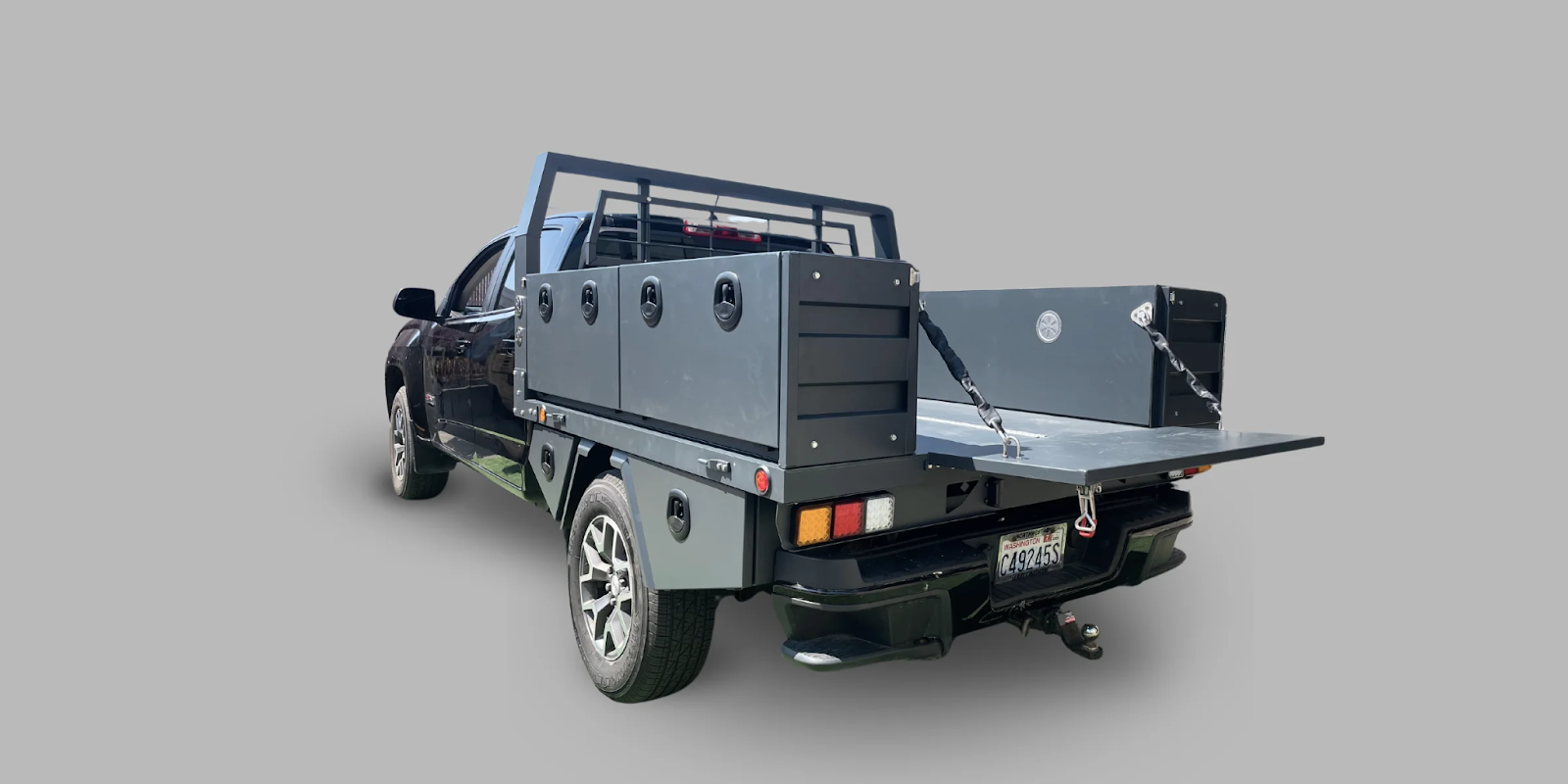
Choosing the right truck bodies for your business is an important decision that can affect your operations, efficiency, and overall costs. Truck bodies are not just about carrying goods—they are tailored to meet specific business requirements, depending on the type of cargo, delivery needs, and the work environment. Making the wrong choice can lead to inefficiencies, higher maintenance costs, or even damage to your products. This article will guide you through the key factors to consider when selecting truck bodies that suit your business needs.
Understanding Your Business Requirements
Before exploring different types of truck bodies, it is essential to understand the specific needs of your business. Consider what kind of goods you transport, how often deliveries occur, and the distances covered. Businesses that carry heavy machinery or construction materials may require durable flatbeds, while those in food delivery might need refrigerated truck bodies. Knowing your business requirements ensures that you select a truck body that can handle the type of load you carry safely and efficiently.
Types of Truck Bodies
There are various truck bodies available in the market, each designed for a specific purpose. Flatbed truck bodies are versatile and suitable for transporting large and irregularly shaped items. Box or cargo truck bodies provide enclosed storage, protecting goods from weather conditions. Refrigerated truck bodies are essential for businesses handling perishable goods. Understanding these types helps in narrowing down the options based on the products or materials your business deals with regularly.
Size and Capacity Considerations
The size and capacity of a truck body are critical factors that affect both operational efficiency and safety. Choosing a truck body that is too small may require multiple trips, increasing fuel costs and reducing productivity. On the other hand, oversized truck bodies can be difficult to maneuver and may exceed legal weight limits. Assess your average load size and volume to determine the optimal truck body dimensions for your business.
Material and Durability
Truck bodies are made from various materials, including steel, aluminum, and fiberglass. Steel truck bodies are known for their strength and durability, making them ideal for heavy-duty use. Aluminum truck bodies are lighter, which can improve fuel efficiency while still providing adequate strength for many applications. Fiberglass truck bodies are often used for specialized purposes due to their lightweight and corrosion-resistant properties. Selecting the right material ensures that your truck bodies can withstand the demands of your business operations and last for years with minimal maintenance.
Customization Options
Many businesses benefit from customizing their truck bodies to suit unique operational needs. Custom features can include specialized racks, shelving, or compartments to organize cargo more efficiently. For businesses in delivery services, additional doors or lift gates can make loading and unloading faster and safer. Considering customization options allows your truck bodies to become an extension of your business efficiency rather than a limiting factor.
Budget and Maintenance
While selecting truck bodies, it is important to consider both the initial cost and long-term maintenance expenses. High-quality truck bodies may have a higher upfront cost, but they often require less maintenance and can last longer, providing better value over time. Additionally, choosing materials and designs that are easier to repair can reduce downtime and keep your operations running smoothly. Balancing quality with budget ensures that your investment in truck bodies is practical and sustainable.
Legal and Safety Requirements
Truck bodies must meet certain legal and safety standards depending on the type of cargo and region of operation. These regulations may cover weight limits, load securing mechanisms, and vehicle dimensions. Ensuring that your chosen truck bodies comply with legal requirements helps avoid fines, penalties, or operational delays. Safety features, such as reflective markings and secure locking systems, also protect your cargo and employees.
Conclusion
Selecting the right truck bodies for your business is more than just picking a vehicle—it involves understanding your business needs, choosing the appropriate type, size, and material, and considering customization, budget, and legal requirements. By carefully evaluating these factors, you can ensure that your truck bodies improve operational efficiency, protect your goods, and provide a long-term solution that supports the growth of your business. Making the right choice today can save time, money, and effort in the future, allowing your business to operate smoothly and effectively.