
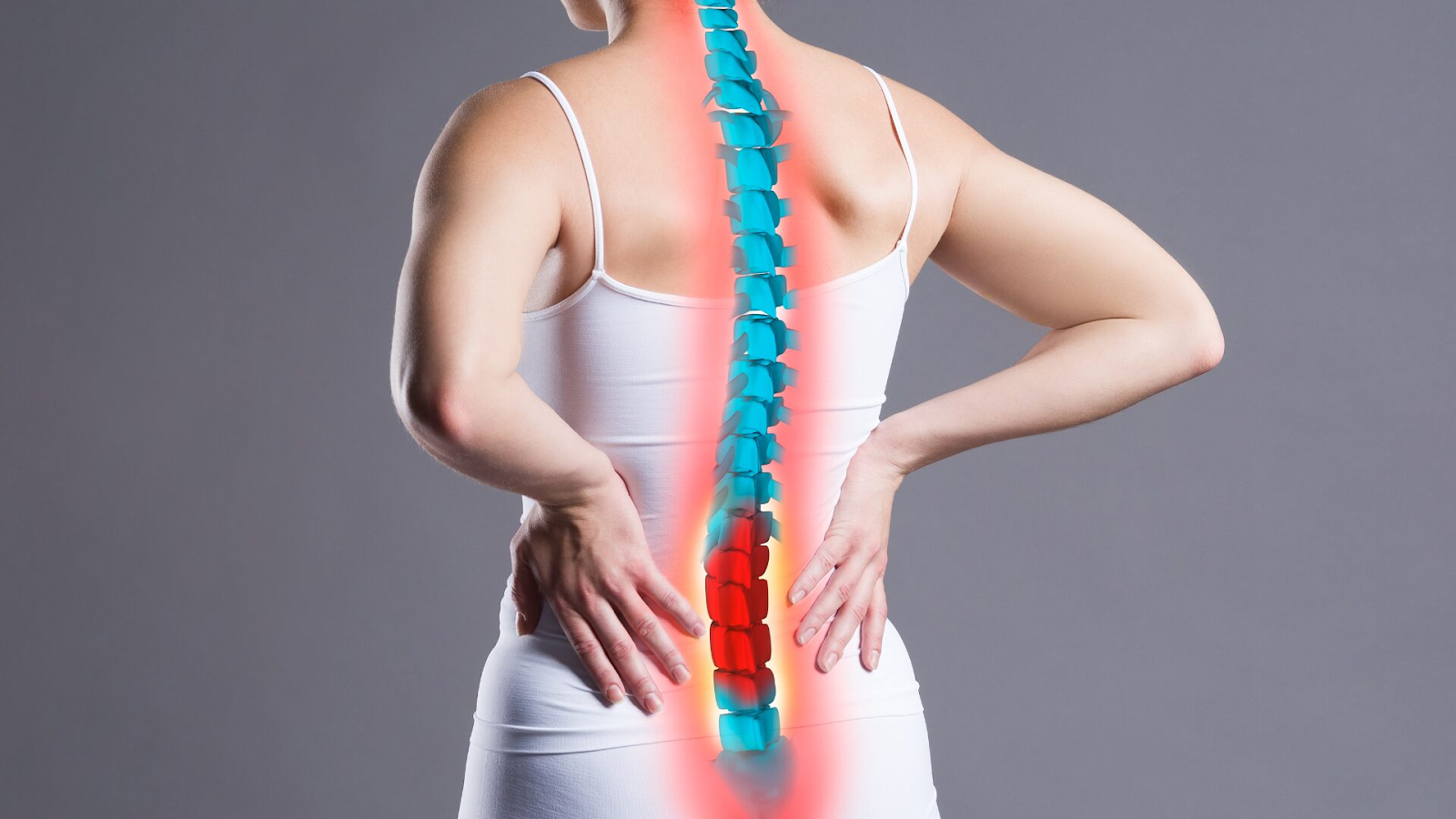
Spine problems can significantly affect your daily life, making simple tasks like walking, sitting, or even sleeping difficult. Spine deformities, such as scoliosis or kyphosis, not only cause physical discomfort but also impact overall well-being. For many patients, traditional spine surgery can be daunting due to long recovery times and potential complications. However, minimally invasive spine deformity surgery has emerged as a safe and effective option that can greatly improve quality of life. This type of surgery focuses on correcting spine issues with less trauma to the body, leading to faster recovery and better outcomes.
Understanding Minimally Invasive Spine Deformity Surgery
Minimally invasive spine deformity surgery is designed to correct spinal misalignments through smaller incisions than traditional surgery. Surgeons use specialized tools and imaging technology to access the spine with precision. Unlike open surgery, which requires large cuts and extensive muscle movement, minimally invasive techniques reduce tissue damage and blood loss. Patients experience less pain, a lower risk of infection, and shorter hospital stays. This approach allows individuals to return to normal activities sooner, improving both physical and emotional well-being.
Benefits of Minimally Invasive Spine Deformity Surgery
One of the primary benefits of minimally invasive spine deformity surgery is reduced recovery time. Because the procedure is less invasive, patients often experience less post-operative pain and swelling. This makes physical therapy easier and allows for a faster return to daily activities. Additionally, the smaller incisions lead to minimal scarring, which can have a positive effect on self-confidence and overall satisfaction with the procedure.
Another advantage is improved mobility and posture. Spine deformities can cause chronic pain, limited flexibility, and difficulty standing or walking. By correcting these issues, patients regain a more natural spinal alignment, which supports better movement and reduces discomfort. Over time, this can lead to an increase in energy levels and overall quality of life, allowing individuals to enjoy activities they may have previously avoided.
Who Can Benefit from This Surgery
Minimally invasive spine deformity surgery is suitable for patients with various spinal conditions, including scoliosis, kyphosis, and degenerative spine disorders. It is often recommended for individuals who have not found relief through non-surgical treatments like physical therapy, medications, or bracing. Surgeons carefully evaluate each patient to determine the most appropriate technique, ensuring the procedure meets the specific needs of the individual. Age, overall health, and the severity of the deformity all play a role in deciding whether minimally invasive surgery is the best option.
The Surgical Process
The procedure typically begins with imaging studies to map the spine accurately. Surgeons then make small incisions and use specialized instruments to correct the alignment of the spine. Advanced technology, such as real-time imaging and navigation systems, ensures precision throughout the operation. In many cases, the procedure can be completed with less anesthesia and shorter hospital stays compared to traditional surgery. This careful approach reduces the risk of complications and promotes a smoother recovery process.
Recovery and Lifestyle Improvements
Recovery after minimally invasive spine deformity surgery is generally quicker and more comfortable than traditional methods. Patients may start gentle movements and physical therapy shortly after the procedure. Over the following weeks and months, strength, flexibility, and mobility gradually improve. This allows individuals to return to work, hobbies, and other daily activities sooner, which has a significant positive impact on mental health and overall quality of life. Many patients report feeling more independent and confident as their mobility and posture improve.
Conclusion
Minimally invasive spine deformity surgery offers a modern solution for those struggling with spinal deformities that affect their daily life. With smaller incisions, reduced pain, faster recovery, and improved mobility, this approach can significantly enhance both physical and emotional well-being. Patients who choose this type of surgery often experience a renewed sense of independence and a better quality of life. For anyone considering options to address spine deformities, minimally invasive surgery represents a promising path toward comfort, functionality, and long-term health.