
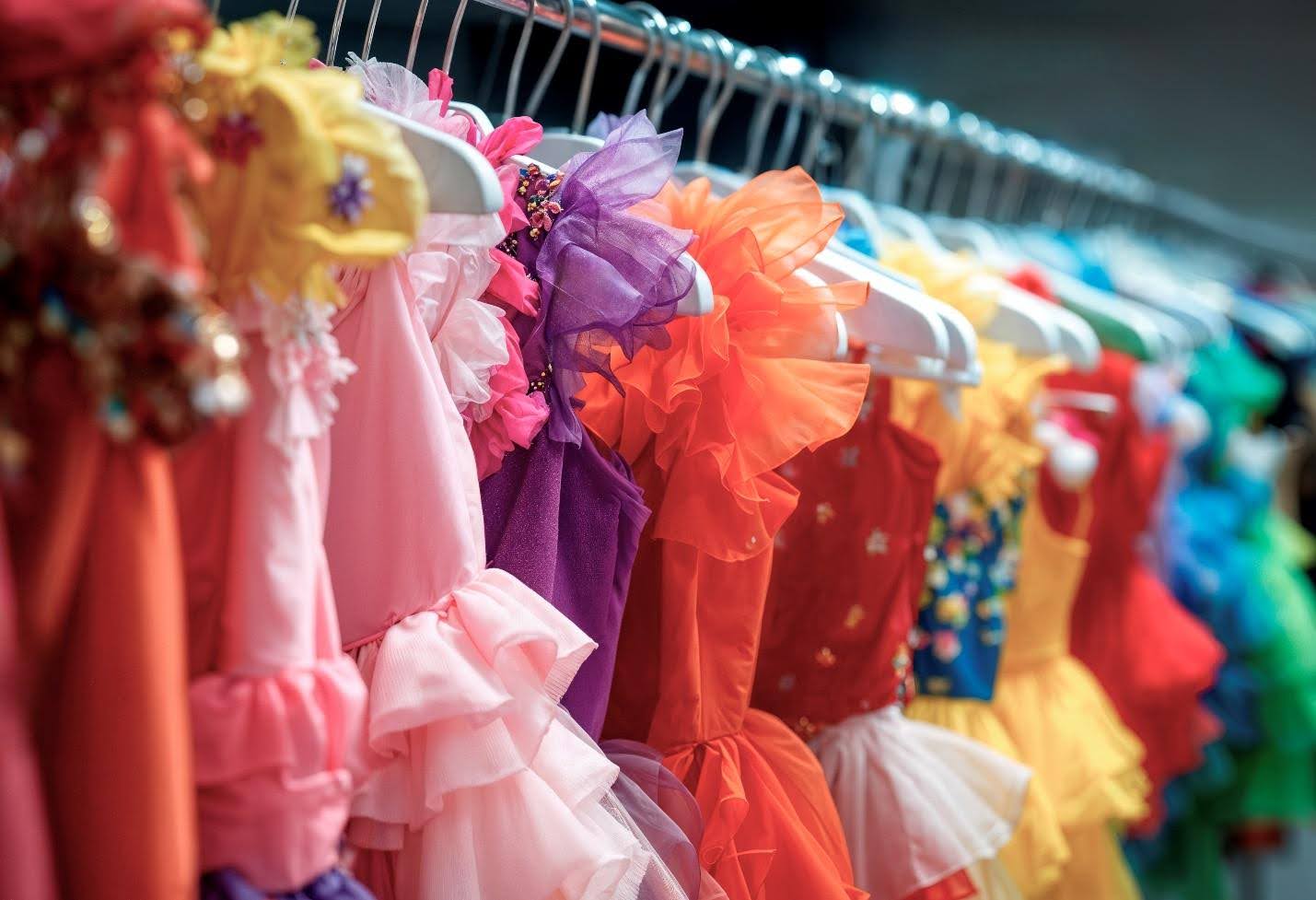
It is both interesting and frustrating to find a good formal dress for your daughter. The number of styles, fabrics, and colors is enormous, and, therefore, it may seem difficult to choose the appropriate one to wear during a wedding, birthday, or school event.
A girl’s formal wear dress must be nice, yet it must also be comfortable and age-appropriate, as well as suitable for the event. The suitable dress gives confidence, makes the child feel special, and leaves good memories. This guide offers useful advice to select the dresses for all occasions and simple style inspiration that allows your child to shine.
1. Consider the Occasion
The first and important point to choose girls formal wear dresses is to think about the event. Long dresses or dresses with small details tend to be the best for a wedding or formal party. Shorter dresses in vivid colors can be more appropriate in the case of school events or a birthday party. Wearing a dress that suits the event will ensure that your child is comfortable and well-dressed, not too much of a show-off or too simple.
2. Focus on Comfort and Fit
A dress might be very nice to wear, but when it is not comfortable, then girls will not like it. Select lightweight materials such as cotton blends, chiffon, or soft satin that allow the child to move about. Assess sizing chart, seek adjustable waistbands, and avoid tight-fitting garments that restrict movement. Comfort is essential because happy, comfortable children become more confident.
3. Choose the Right Style
Formal dresses of girls are of numerous styles: A-line, ball dress, empire waist, or fit-and-flare. A-line dresses fit just about every shape. Ball gowns are associated with special events and make them appear dramatic and elegant. Empire waist dresses are also good for small children who can move freely and appear great at the same time. Select a style that suits the appearance of the child as well as the occasion.
4. Colors and Patterns
Color is what makes a dress appear and feel like. Soft pastels like blush, lavender, and sky blue are suitable during the daytime, and dark jewel colors like emerald, ruby, or navy are shiners during the night. Patterns, embroidery, or decorations are all charming, but too full designs may overpower a small frame.
5. Accessorize Smartly
Accessories will not overload a dress if the dress is well-matched with simple hairbands, bows, or fine jewelry. Shoes are to be in line with the dress, and the ballet flats or low-heeled shoes are the most suitable. No heavy or massive accessories should be used as they create a distraction to the beauty of the dress.
6. Season Consideration
The time of year is an important factor when choosing formal clothes. Fabrics that are lightweight are useful in spring and summer, and those that are layered or velvet dresses are useful in fall and winter. To make the child warm, add a cardigan or shawl, but not to spoil the appearance. Season planning ensures that the dress is always beautiful, helpful, and comfortable throughout the event.